Description
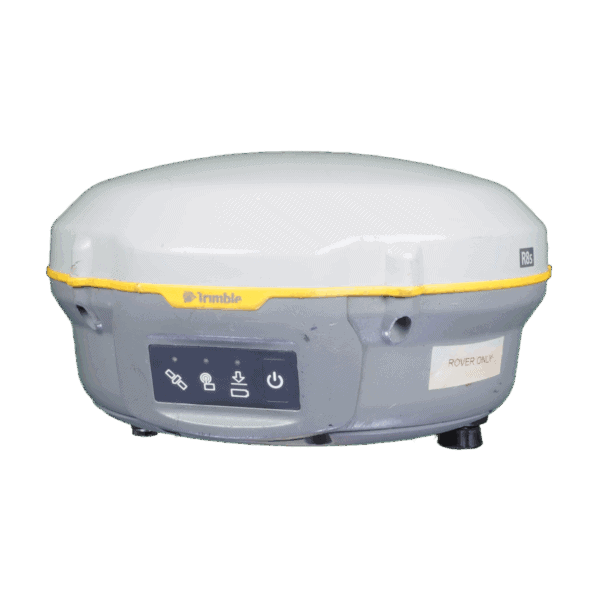
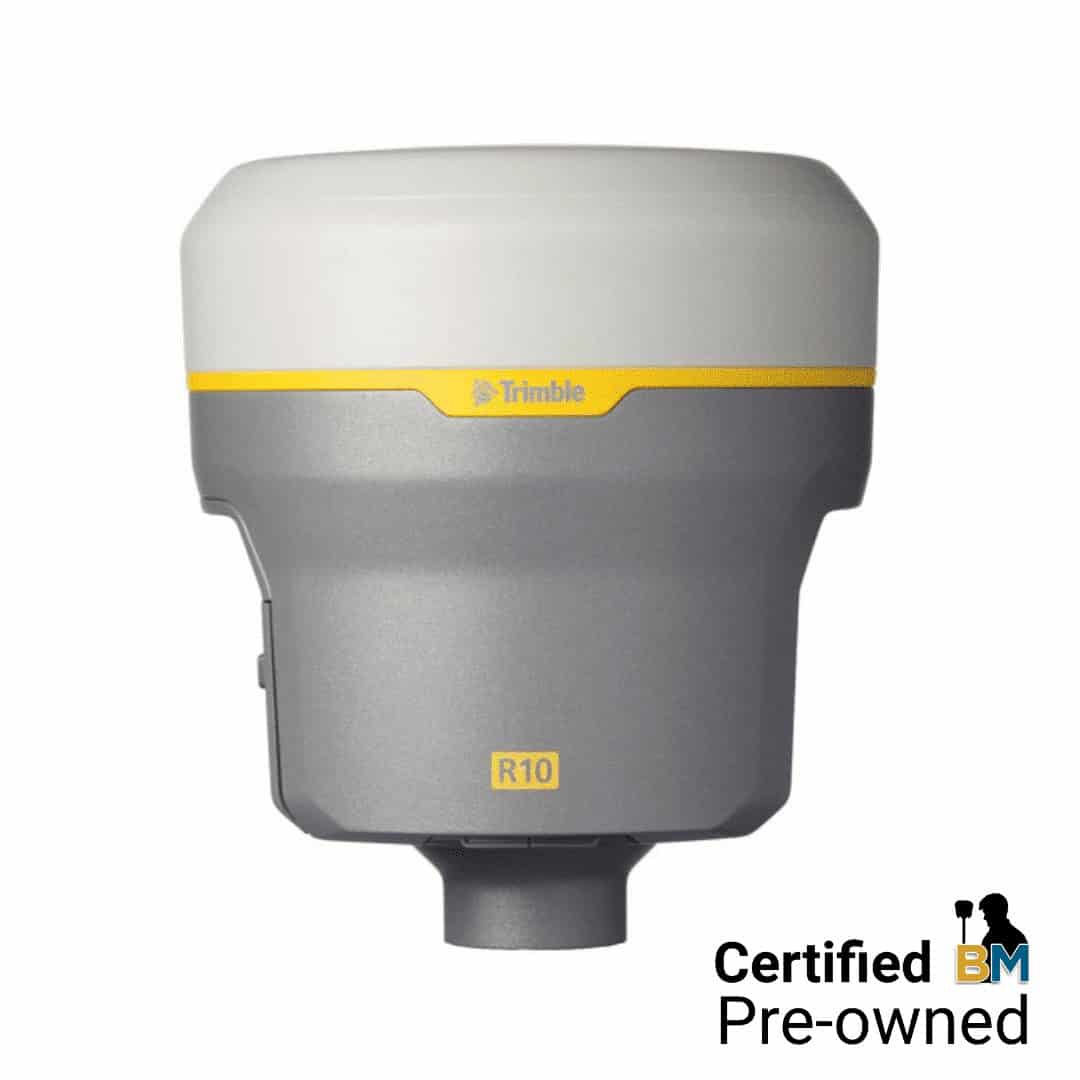
Trimble R10 GNSS Receiver
The Trimble R10 is a high-performance Trimble GNSS receiver built for precise surveying, construction layout, and reliable RTK field work. It provides consistent accuracy, strong satellite tracking, and dependable operation in demanding survey environments.
Designed for efficient data collection and compatibility with common field workflows, the Trimble R10 delivers the durability and precision professionals expect from a proven survey-grade GNSS receiver.
The Trimble R10 - Model 1
The Trimble R10 Model 1, is a great reciever that boasts 6th generation RTK technology. This means it performs well in moderate canopy, but will not perform as well as the latest 7th generation RTK receivers.Â
With an internal tilt sensor, and different communication options the Trimble R10 offers a great flexible surveying platform. With support for all available survey constellation, the Trimble R10 is a great solution for those looking for a modern and capable receiver, but do not want to purchase a brand new receiver.Â
GPS: L1C/A, L1P, L2C, L2E, L5
GLONASS: L1C/A, L1P, L2P, L2C/A, L3
SBAS: L1C/A, L5
Galileo: E1, E5a, E5B
BeiDou: B1, B2
FAQs
Yes. Trimble’s current supported-equipment documentation still includes the R10 as a GNSS receiver that can connect to Trimble Access. Because this listing is for a used R10 Model 1, the receiver’s firmware version and the controller you plan to use should still be checked for the specific workflow.
This listing is for the original Trimble R10 Model 1, not the R10-2. The distinction is important when comparing specifications, signal support, firmware capabilities, and expected performance, since specifications for the newer R10-2 should not automatically be applied to the Model 1.
For a used R10, it is worth checking the receiver’s physical condition, battery condition, antenna and data connections, and current firmware. Compatibility with your controller and field software is equally important, particularly if you are adding the receiver to an existing survey system rather than using a complete Trimble setup.
A new R10 battery typically provides about 5.5 hours of rover operation when using the internal receive radio and about 4.5 hours when operating as a base with the internal 450 MHz transmit radio at 0.5 W. With a used receiver, actual runtime depends on battery age and condition, so the original specification should not be treated as the expected runtime of an older battery.
Yes. The R10 supports network RTK workflows and can receive corrections through NTRIP-based sources, including VRS networks and other NTRIP-compliant correction services. For a Canadian project, the specific network, mount point, coverage area, and coordinate reference system will depend on the province and correction service you are using.
Yes. The R10 supports single-baseline RTK using a local base station as well as network RTK. Its communication options include an integrated radio, cellular modem, and Wi-Fi, so the appropriate setup can depend on whether your project has reliable cellular coverage and access to a suitable correction network.
Trimble specifies approximately 8 mm + 1 ppm horizontal and 15 mm + 1 ppm vertical accuracy for single-baseline RTK under its stated conditions. Network RTK specifications are also listed at 8 mm + 0.5 ppm horizontal and 15 mm + 0.5 ppm vertical; actual field results depend on correction quality, satellite geometry, multipath, atmospheric conditions, and the survey setup.
The R10 uses a built-in magnetometer tilt sensor to measure compensated points when the pole is not perfectly vertical. Trimble Access allows compensated-point measurements with the R10, but the system must be properly calibrated, and Trimble specifies a maximum tilt tolerance of 15 degrees for this workflow.
The R10 was designed with Trimble HD-GNSS processing and multi-constellation tracking to improve positioning performance in challenging environments. It can help maintain usable positioning where satellite visibility is reduced, but trees, buildings, multipath, and other obstructions can still affect GNSS performance and should be considered when planning survey work.
The R10 supports Bluetooth, Wi-Fi, serial, and USB communication, and Trimble documents support for third-party transparent radios and cellular modems. However, controller and field-software compatibility is separate from the physical connection, so the exact combination should be verified before purchasing a used receiver.
Yes. The R10 can use Trimble RTX corrections delivered by satellite or over an IP connection, providing an alternative to conventional base-station or network RTK workflows. A valid RTX subscription is required for RTX positioning, so the subscription status should be confirmed separately when evaluating a used receiver.


Reviews
There are no reviews yet.