Home > Surveying Equipment
Some of the most common applications for our surveying equipment include:
We also support specialized projects, such as:
Land surveying can be complex, with many equipment options for every project. At Bench Mark, we keep surveying simple, with solutions that match your project goals and budget. Our trained engineers have field experience and are ready to help you find the right land surveying equipment at the right price.
Every item we offer is tested to meet high standards for accuracy, durability, and performance. Nothing leaves our shelves until it has passed Bench Mark’s rigorous testing process, so you know your gear is field-ready in any condition. Explore our selection below or contact us for personalized guidance.
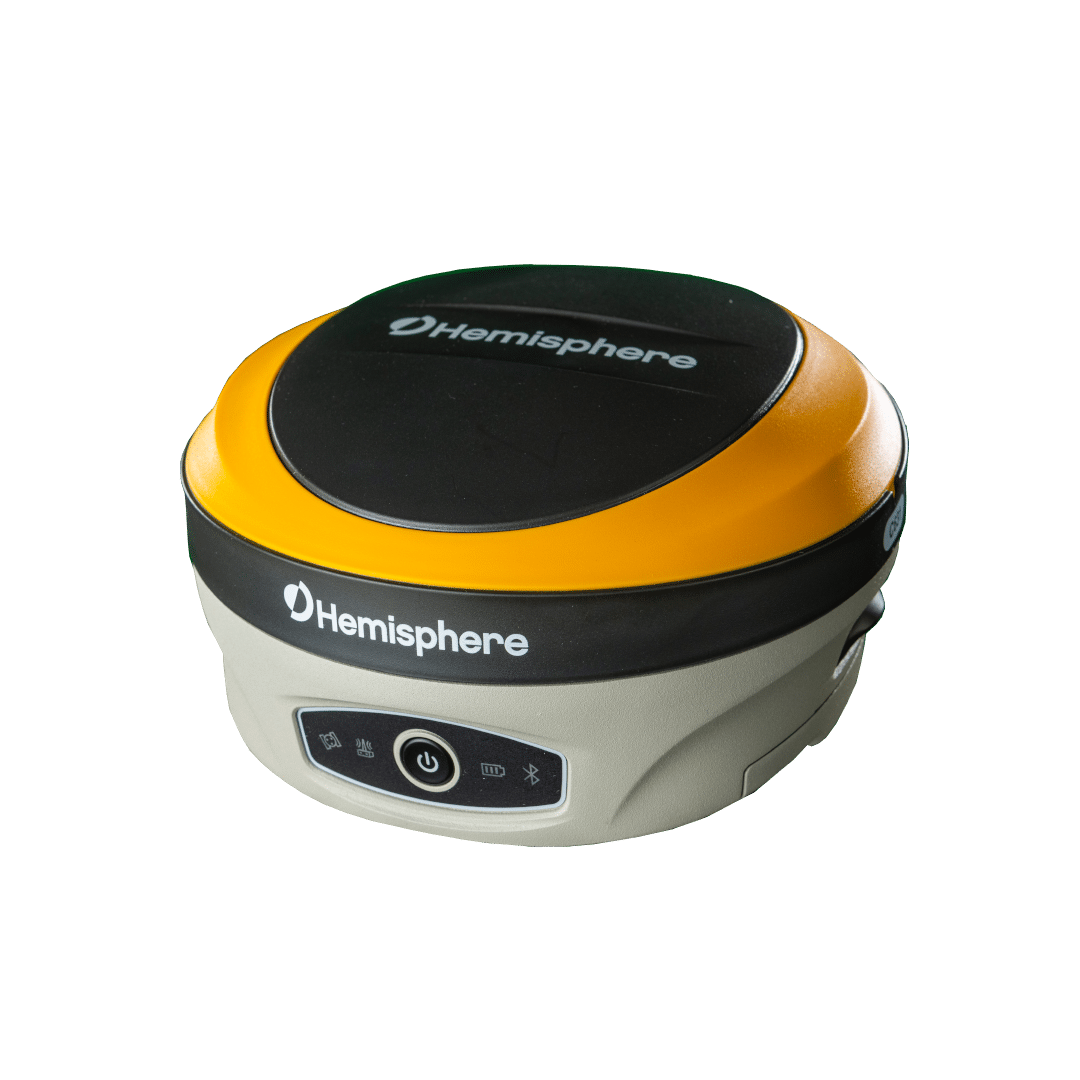
Yes. Many of our best selling systems, such as the Hemisphere S631 GNSS RTK package, come bundled with a data collector and field software like MicroSurvey FieldGenius already included. This saves you from sourcing and testing compatibility between separate components on your own.
This is probably one of the most critical questions you need to answer before beginning your search for land surveying equipment. By setting a budget before you begin to shop, you can ensure that you do not end up buying a piece of equipment that does more harm than good. In an ideal world, with an unlimited budget, everyone could keep a full fleet of survey equipment running. However, due to cost restrictions, this is not the case. For most people, their surveying equipment needs are met by a Robotic Total Station or RTK GNSS receivers. If you are more budget-conscious, you may want to check out used equipment, a theodolite or a total station. The price of surveying equipment can vary from $ 1,000 up to $ 500,000, so knowing what you need and what you want to pay is important.
The best instrument depends on your project goals. RTK GNSS systems offer the fastest, most accurate results for most modern applications, while total stations remain ideal for site layout and boundary marking where the highest level of accuracy is required. Theodolites and auto levels are still valuable for basic or educational use.
In modern practice, total stations and GNSS receivers are the most common alternatives to theodolites. They combine angle and distance measurement in one device, streamlining workflow and improving accuracy in the field.
Every purchase includes lifetime technical support, not just a standard warranty period. If you run into a setup or field issue down the road, our team is a phone call away to help you get back to work quickly.
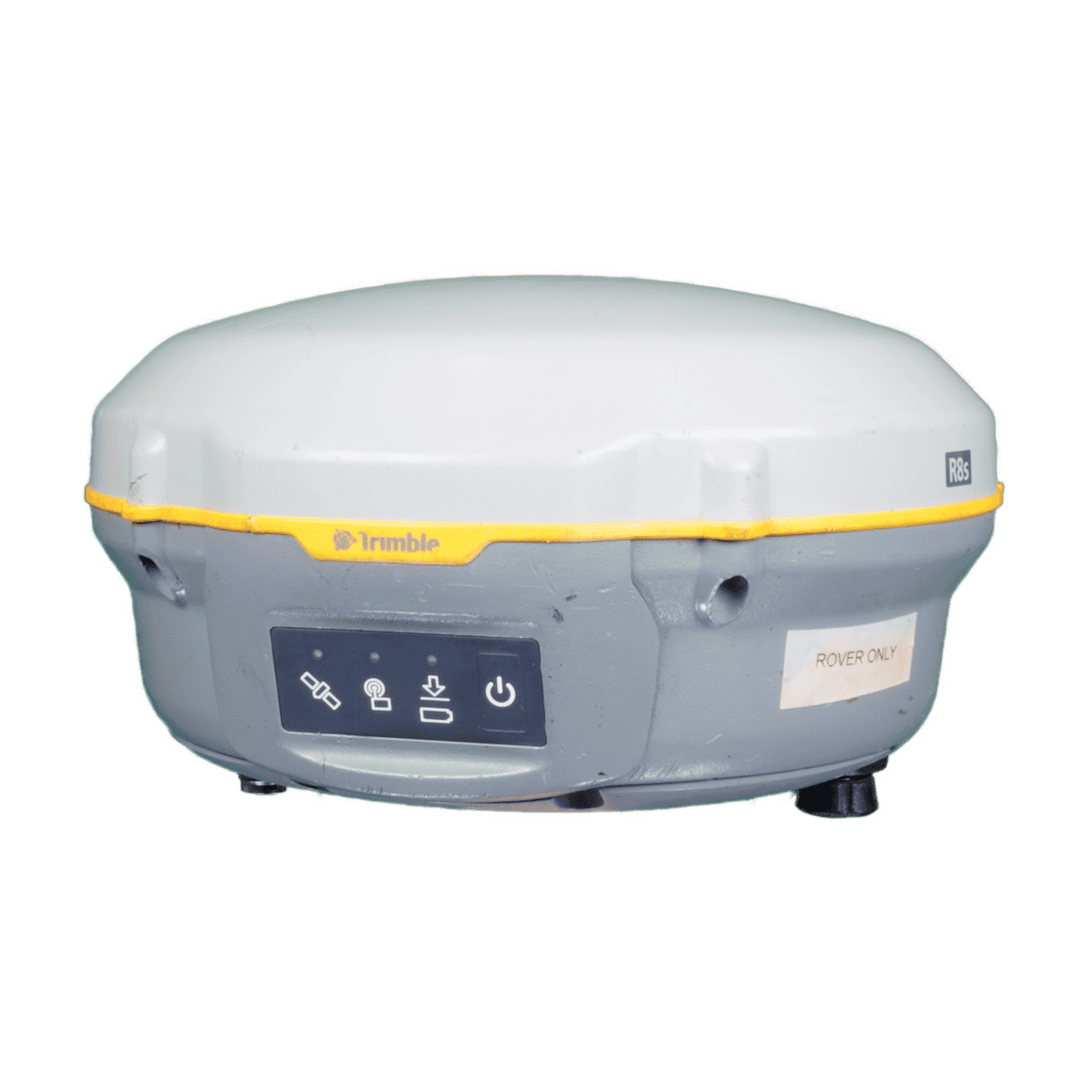
Modern GPS survey equipment, particularly RTK GNSS systems, can achieve horizontal accuracy within one to two centimeters. This level of precision makes it the standard for land development, engineering layout, and construction surveying across Canada.
Proper maintenance prolongs the life of your equipment. Though designed to handle dust, impacts, and moisture, they still require care. Always clean and dry equipment before storage, and keep batteries charged and corrosion-free to avoid downtime. Even simple habits like wiping down gear after use and checking battery contacts can extend the lifespan of your investment.
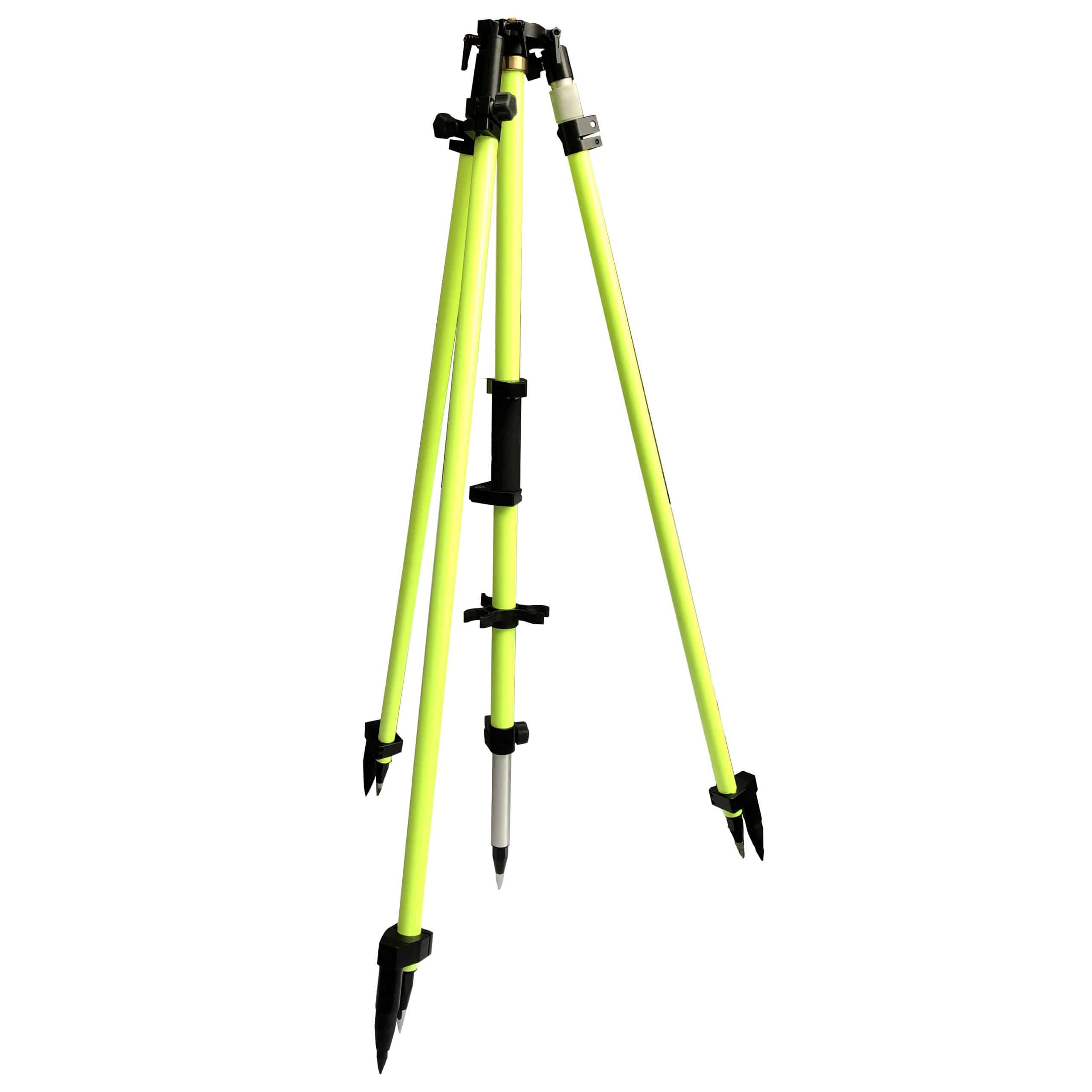
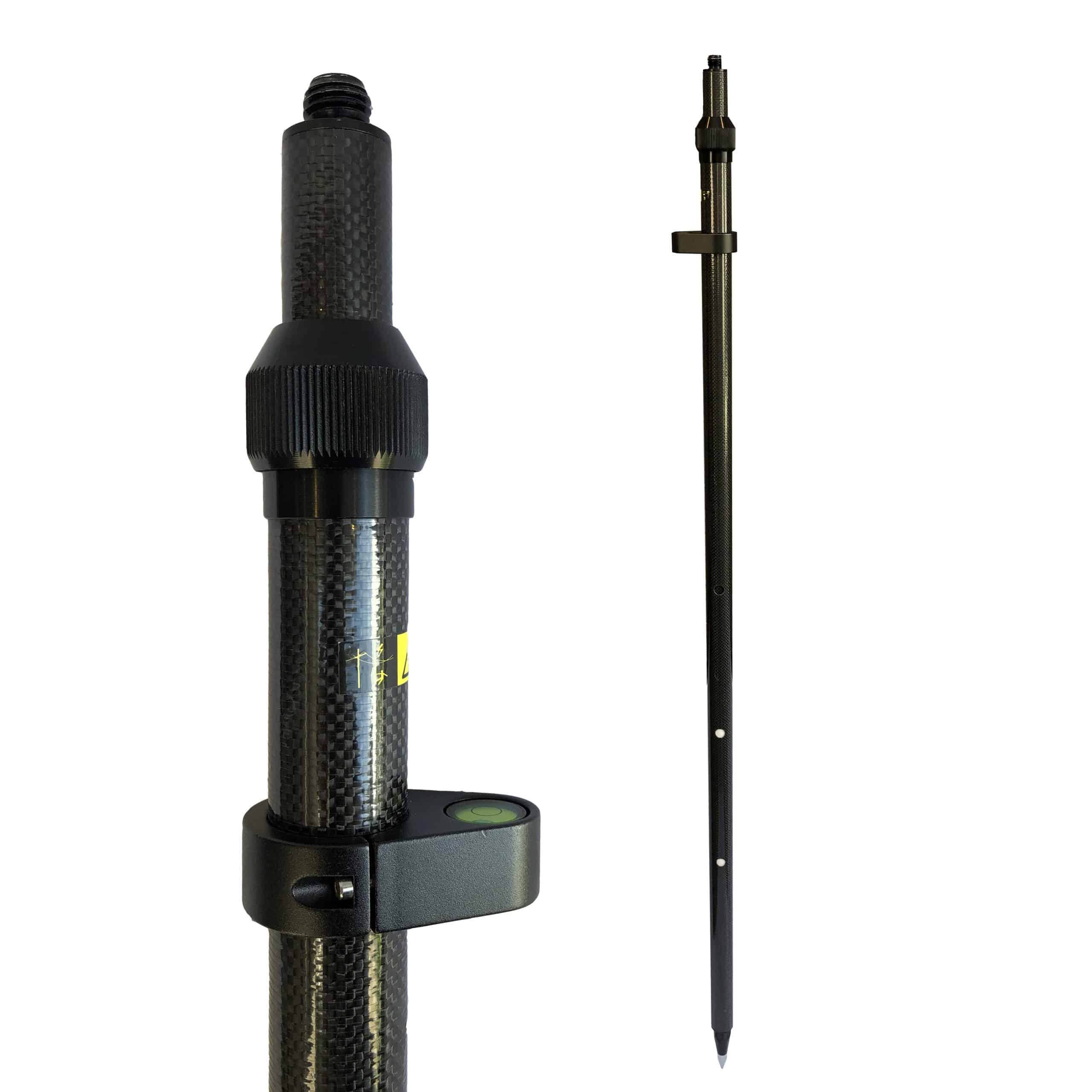
Most systems include the core components you need to start working, such as the receiver, data collector, and basic mounting hardware. Items like extra poles, tripods, prisms, or replacement parts are sold separately in our Accessories section, so you only pay for exactly what your project needs instead of a fixed bundle.
Yes. We carry inspected and tested preowned equipment across several categories, including RTK systems and total stations, giving you a lower cost entry point without sacrificing reliability.
Choosing the right surveyor equipment depends on what tasks you perform most often. RTK GNSS systems are ideal for fast positioning and large-area projects, total stations are best for precise layout and boundary work, and auto levels or theodolites are well-suited for basic elevation and training applications. Matching the equipment to your workflow ensures better accuracy, productivity, and return on investment.
When comparing survey equipment for sale, focus on accuracy specifications, condition (new or used), software compatibility, power options, and warranty or support coverage. It is also important to consider whether the equipment integrates with your existing survey supplies and accessories. Buying from a professional supplier ensures proper inspection, calibration, and long-term technical support.

Your accuracy needs dictate the best equipment. For sub-metre precision, a single GNSS (GIS) receiver often suffices, ideal for utilities or irrigation. For sub-centimetre precision, RTK systems, network rovers, or total stations offer exceptional accuracy.
Manual or robotic total stations suit small sites (under 1 km). Manual models need two operators; robotic ones allow solo use. RTK GNSS base-and-rover systems cover sites up to 10 km efficiently. Larger sites benefit from network rovers, which require reliable network coverage. Signal boosters can help in weak coverage areas.


Manual total stations offer a budget-friendly option but require two operators. Robotic total stations and RTK GNSS systems have higher upfront costs but save labor and time in the long run.
Since 2002, Bench Mark Equipment & Supplies has been a trusted supplier of land surveying equipment and solutions. Serving land surveyors, engineers, construction crews, and geospatial professionals, we provide advanced equipment like GNSS receivers and RTK GPS systems, expert advice, and lifetime support. Call us at 1-888-286-3204 to speak with a specialist today.