

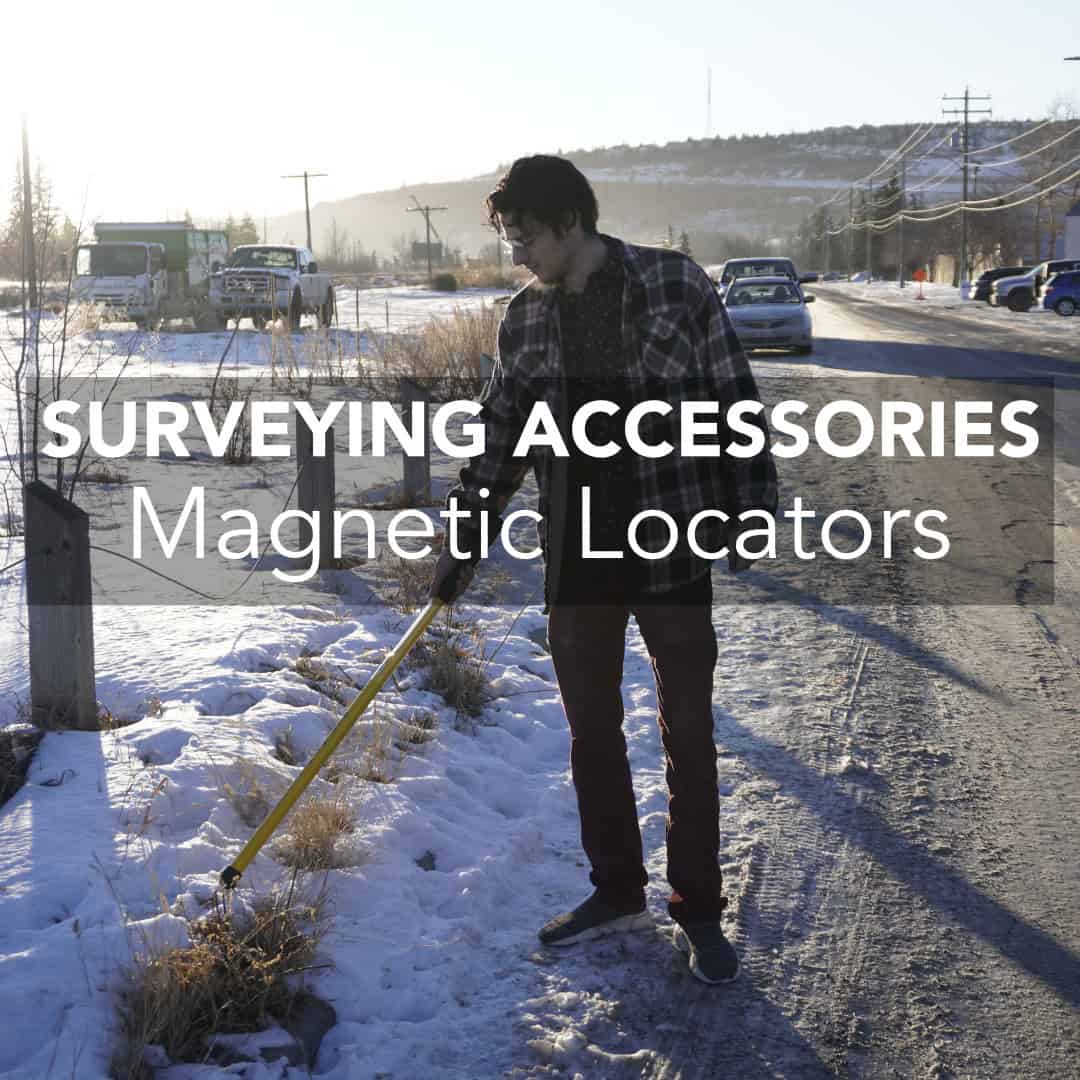
Choosing between a magnetic locator and a metal detector can cost you precision, efficiency, and knowing which tool will perform best for your work. Both can identify buried metal objects, but only one is engineered for the accuracy and depth that surveyors, engineers, and construction crews need in the field. In this guide, we’ll break down how each tool works, when to use them, and why magnetic locators have become the go-to choice for serious fieldwork.
How Magnetic Locators and Metal Detectors Work
What Each Tool Detects
Why Magnetic Locators Are the Professional’s Choice
When a Metal Detector Still Makes Sense
Choosing the Right Magnetic Locator
Precision Starts Below the Surface
Both tools detect buried metal objects, but they do it in completely different ways and those differences directly impact accuracy and depth.
Metal detectors generate an electromagnetic field. When that field encounters a conductive object, it creates a secondary field that the detector senses. This method works well for small, shallow items like coins or scrap metal, but the signal weakens quickly with depth or soil interference.
Magnetic locators detect the natural magnetic field of ferrous metals such as iron and steel. They don’t emit a field of their own. Instead, they read the magnetic signature of the object itself. This allows them to pinpoint objects buried deep underground, even when mineralized soils or surface interference would confuse a standard detector.
Not all metals behave the same in the ground. Metal detectors can find any type of conductive metal, like aluminum cans, copper pipes, or brass fittings. That’s great for hobbyists or site cleanup, but it can cause frustration when you’re looking for something specific, like an iron survey pin among dozens of stray metallic fragments.
Magnetic locators detect only ferrous metals: iron, steel, and some alloys. That makes them far more efficient for survey and construction use. You’ll quickly locate rebar, corner pins, valve boxes, and steel property markers. For professionals who need to work quickly and confidently, that focus on ferrous materials is a major advantage.

Across Canada’s surveying and construction industries, magnetic locators have become standard equipment, and for good reason. They offer several advantages that make them indispensable in the field.
Magnetic locators can detect ferrous targets buried several feet below the surface, even through snow, gravel, or pavement. Metal detectors tend to lose sensitivity with depth, especially in frozen or mineral-rich Canadian soils.
Highly mineralized soils can cause false readings with metal detectors. Magnetic locators are unaffected by this interference and maintain consistent performance regardless of conditions.
Because they only respond to ferrous materials, magnetic locators reduce guesswork. You’ll spend less time on unnecessary test holes and more time collecting data.
Magnetic locators are built for fieldwork. They have rugged designs, long battery life, and intuitive interfaces. Many models include visual and audible signals that make locating targets easy, even in noisy environments.
Magnetic locators dominate professional use, but metal detectors still have a few niche applications. If you’re searching for non-ferrous metals such as aluminum or brass, for example, lost survey tags, small tools, or historical artifacts, a metal detector can be the better choice. They also work well for detecting metallic debris at or near the surface.
However, for most survey, engineering, and construction work, these situations are the exception, not the rule.
When investing in a magnetic locator, look for one designed for professional field use. Canadian crews often favour models with durable housings, waterproof construction, and long-lasting batteries that perform in extreme temperatures.
At Bench-Mark, we supply a full range of high-quality locators suited to Canadian conditions, including models with both audio and visual feedback, ergonomic designs for long days in the field, and compatibility with other surveying tools. Our equipment is built to last.
Both magnetic locators and metal detectors serve a purpose, but for surveyors, engineers, and construction professionals, the choice is clear. Magnetic locators provide the depth, accuracy, and reliability needed for serious fieldwork.
At Bench-Mark, we provide the technology and support Canadian professionals need to work smarter in every environment. If you’re ready to upgrade your field gear or learn which locator best fits your workflow, reach out to our team today. We’ll help you find the right solution and keep your next survey running smoothly.
