

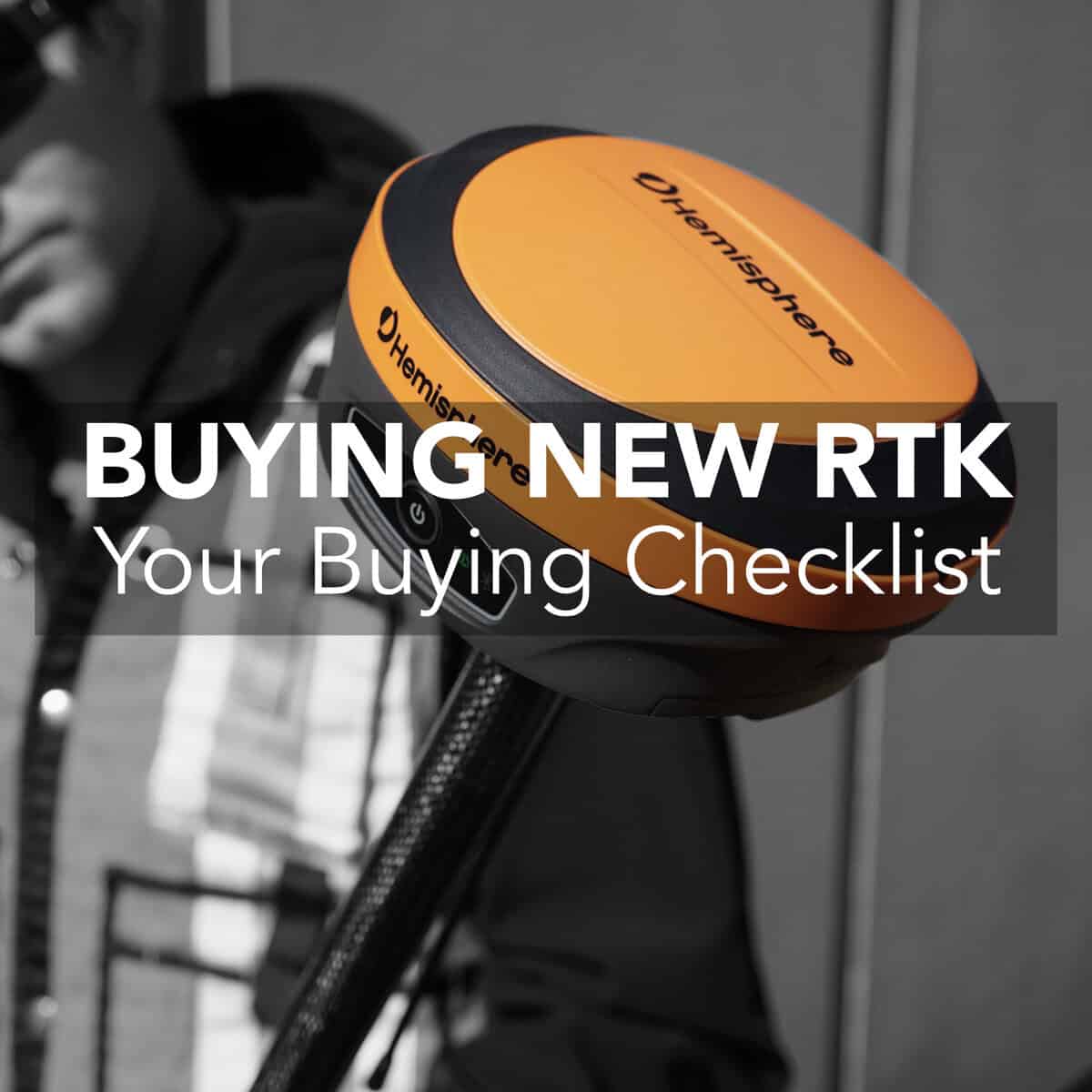
Looking for a new RTK system in 2026? Productivity and accuracy largely depend on the equipment you choose. Today, the market has shifted. Specs matter as well as value, reliability, and long-term support. It can be difficult to separate truly useful features from those that sound good but offer little in the field. Especially if you’re buying your first RTK system or have been unaware of market changes while using your aging gear.
We have compiled this checklist to help you cut through this clutter. Here is what you, as a professional across Canada, should look for in your next RTK system.
Nothing Less Than Seventh-Gen Tech
Tilt Tech That Speeds Up Your Workflow
Consistent Results in Variable Conditions
Smarter Software, Better Workflow
Consider Productivity Gains and ROI
Select Partners with Proven Support
Your Supplier Should Work Like You Do
Frequently Asked Questions
The latest generation of RTK GPS & GNSS systems is built for the complexity of modern satellite networks. If your RTK system can’t track every major constellation and frequency, it’s already behind. You need gear that locks in fast and holds steady under canopy, near buildings, or in tight corridors.
Look for support for all four constellations: GPS, GLONASS, Galileo, and BeiDou. It’s better if your system can use modern signals like GPS L5. More signals mean faster fix times and reliability in tough environments.
Tip: Systems like the Hemisphere S631 are optimized for this kind of performance. By the way, it’s our bestselling RTK receiver.
An RTK system without tilt is unnecessarily slow. With an internal IMU (inertial measurement unit), you don’t need to pause to level the pole and can shoot accurate points. Here is how tilt clearly boosts the process:
RTK performance often breaks down in environments with tree canopy, urban obstructions, or signal interference. However, modern seventh-generation systems address these limitations directly:
The result for these features is improved positional stability. Seventh-generation RTK systems enable sustained accuracy where older receivers frequently lose signal or require reinitialization.
Specs are not as important as smart software, which saves time. Field-ready tools and built-in support resources can significantly impact how quickly crews get productive. To avoid errors, look for systems that have:
When time pushes, software stops being just a bonus in RTK systems. It becomes a crucial thing to deliver consistent results.
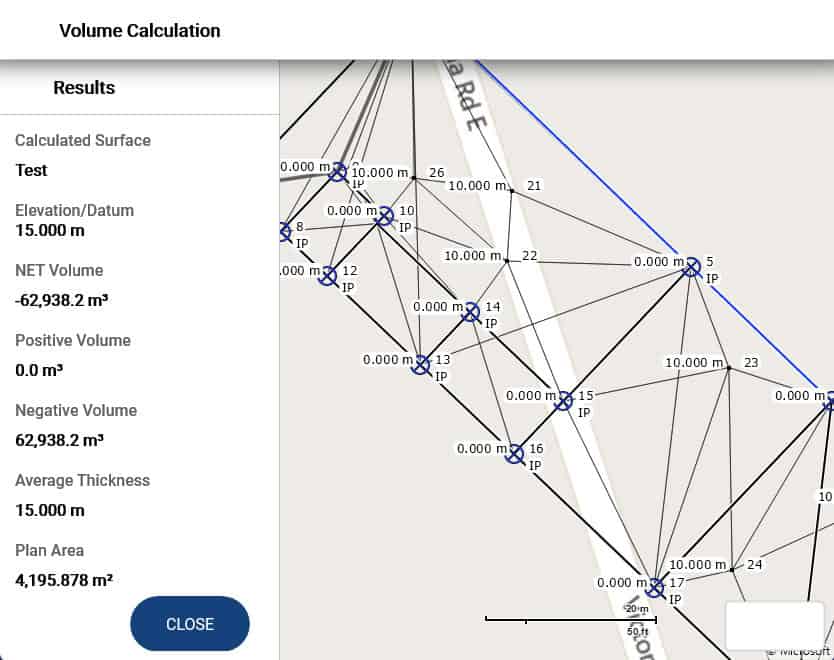
Inefficiency is what directly affects your bottom line. Look for equipment that can increase field productivity and reduce operational costs. Modern equipment often improves field efficiency by 20% to 50%. This directly results in significant labor cost savings over the course of the year.
Many systems pay for themselves within the first twelve months through increased billing capacity. Therefore, these productivity improvements can accelerate the return on your investment.
Upgrading RTK equipment is no longer just about replacing aging hardware. Current-generation RTK systems offer measurable gains in efficiency, accuracy, communication flexibility, durability, and workflow integration. These improvements directly affect productivity, data reliability, and long-term operating costs, whether you are adopting RTK for the first time or replacing older-generation receivers.
Modern RTK systems reduce the number of setups required to cover a site by eliminating line-of-sight constraints typical of total stations. A single-operator workflow, longer baselines, and faster point collection allow projects to be completed with fewer crew hours.
Newer receivers equipped with inertial measurement units (IMUs) further increase efficiency by allowing accurate point collection without leveling the pole, reducing time spent per shot and accelerating stakeout and layout tasks.
Recent RTK receivers support multi-frequency tracking across all major constellations, improving solution availability and stability. This expanded signal access increases the likelihood of achieving fixed solutions in challenging environments such as tree cover or near buildings.
Improved RTK engines also provide more effective modeling of atmospheric effects and better filtering of multi-path signals, resulting in more consistent accuracy and repeatable positions across a project.
Modern RTK equipment supports multiple communication methods, including NTRIP, UHF radio, static logging, and post-processing workflows. This flexibility allows surveyors to adapt to site conditions, network availability, and safety constraints without changing hardware.
Access to both network-based corrections and subscription-free radio solutions ensures continued operation in areas with limited cellular coverage while maintaining reliable correction delivery.
New RTK receivers are designed for field environments where impacts and unexpected incidents occur. Unlike optical instruments, GNSS receivers do not require recalibration after minor drops, reducing downtime.
Purchasing new equipment also provides warranty coverage for unforeseen hardware issues, ensuring access to replacement parts and service that may no longer be available for discontinued models.
Upgrading RTK equipment provides an opportunity to streamline field-to-office workflows. Modern receivers integrate more seamlessly with current software, wireless data transfer, and cloud-based services, reducing manual handling of data.
Updated workflows can improve consistency, reduce errors, and simplify training, provided that adequate technical support and learning resources are available to support the transition.
Purchasing an RTK system is a major investment, so it’s worth thinking not only about the technology but also about how you buy it.
One of the easiest ways to lower the price of a new RTK system is by trading in older equipment. Many firms have outdated GNSS receivers or total stations sitting unused in storage. Instead of selling them privately (which can be time-consuming and unpredictable), you can apply their value directly toward a new system.
Trade-ins offer several advantages:
Trade-in value typically depends on factors such as the condition of the equipment, its age, and whether original accessories are included.
Another cost-effective option is purchasing used or refurbished RTK receivers from a reputable supplier. These units often come from trade-ins or demonstration equipment and are inspected before resale. They can provide reliable performance at a significantly lower price than brand-new models. There’s also:
However, purchasing used equipment privately can be risky if the system hasn’t been tested or serviced.
The timing of your purchase can also influence the final price. Survey equipment suppliers periodically run promotions, seasonal sales, or bundle offers that can significantly reduce costs.
So, trade in older gear, consider refurbished receivers, and purchase during promotions to upgrade to modern RTK technology and keep equipment costs under control.
Reliable support matters, especially when your work depends on staying operational and in line with plans. Downtime often results from unstable service, slow responses, and multiple vendor contacts. Here is what you should prioritize to avoid costly spare times:
Remember that a strong support model should only reduce disruptions. So your main task is to look for a provider that is technically ready to support your work across projects.
Most survey companies operate in the field, so the supplier of your choice should also match that pace. We’re set up to serve mobile teams, solo operators, and distributed firms across the US and Canada. Switch to a team that can handle the full cycle, including tech support of even trade-in.
The ability to track all major satellite constellations (GPS, GLONASS, Galileo, BeiDou) and support newer signals like GPS L5 is essential here.
Yes. Tilt compensation can increase field productivity by up to 50%. It’s especially noticeable in uneven terrain or where precise pole leveling takes lots of time.
Look for centralized and responsive support that includes field-oriented training, remote diagnostics, and service availability that isn’t limited by local dealer hours.
Seventh-generation systems offer faster fixes, better signal tracking under canopy or near structures, and support for newer GNSS signals like BeiDou-III and GPS L5. That means that they are more reliable in challenging field conditions.
Software is critical to how efficiently and accurately an RTK system performs in the field. If the interface is clear, you can expect easier workflows and minimal training for your crews.
To save money on a new GNSS receiver, consider the following strategies:
– Trade in your old equipment: Many dealers, including Bench-Mark, offer trade-in programs that provide credit towards a new purchase.
– Ask for used or refurbished equipment: These units are often sold at a significant discount and are reliable.
– Inquire about upcoming sales and promotions: Timing your purchase with sales events can lead to substantial savings and additional benefits like bundled offers and special financing.
Trading in your old survey equipment offers several advantages:
– Cost savings: The trade-in value can significantly reduce the price of a new unit.
– Convenience: Avoid the hassle of selling your equipment independently.
– Clutter reduction: Clear out older, outdated equipment that’s gathering dust.
– Keep it clean: Ensure your old GPS unit is clean, free from damage, and in working condition.
– Include accessories: Original accessories like chargers, cables, and mounts can increase the trade-in value.
– Update firmware: Keeping the software current can positively impact the trade-in value.
When buying used or refurbished GNSS equipment, consider the following:
– Cost-effectiveness: These units are usually much cheaper than new ones.
– Immediate availability: They are typically in stock and ready to ship.
– Reputation of the seller: Buy from reputable dealers like Bench-Mark that test and refurbish all used equipment and provide condition guides.
To stay informed about sales and promotions:
– Contact sales representatives: Regularly ask your local survey equipment sales team about upcoming promotions.
– Join mailing lists: Sign up for mailing lists from dealers like Bench-Mark to receive notifications about sales and promotions.
– Check online resources: Frequently visit the dealer’s website and pre-owned equipment sections to stay updated on available deals.
